
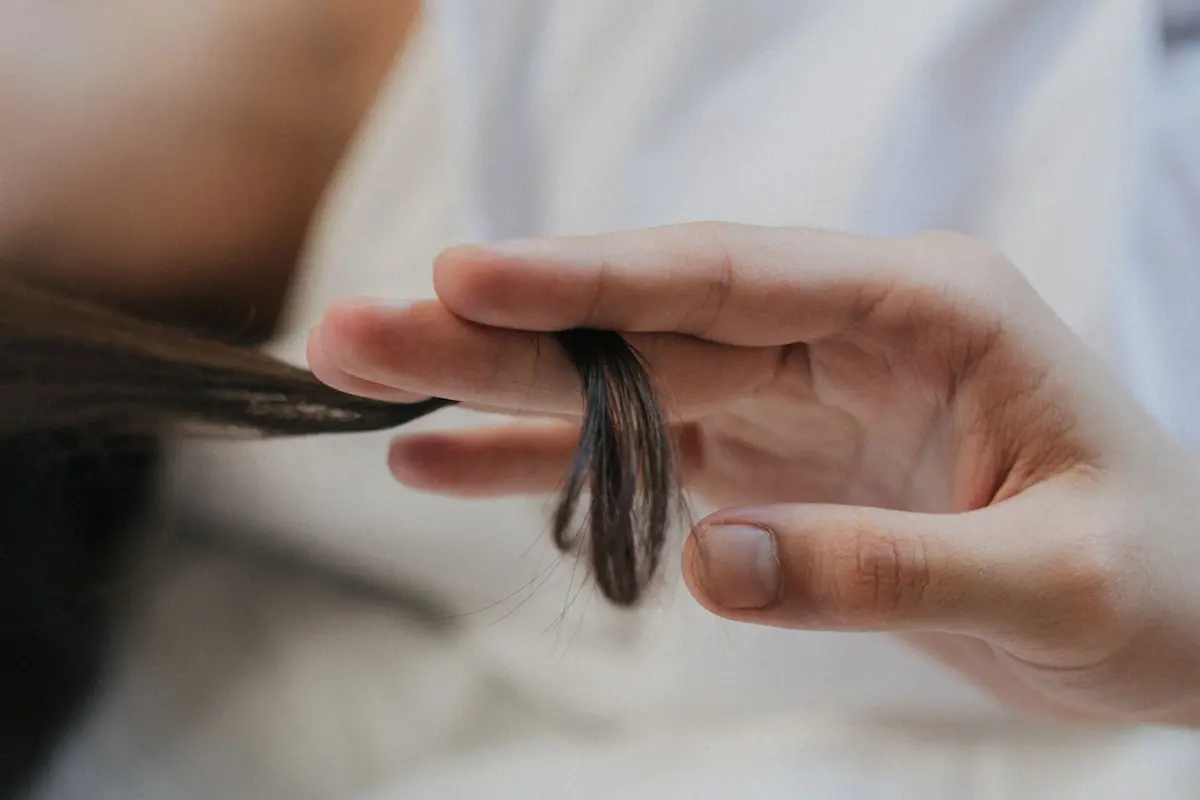
If your hair looks thinner than it used to, you're not alone, and it's often about hair type rather than hair loss. Starting with measuring your hair density will help you make the next step toward choosing the right products and styles you’ll be satisfied with.
What's the Difference Between Hair Density and Hair Loss?
What is hair density? In the simplest terms, it’s the number of strands per square inch. Hair density is largely based on genetics, so if you have dense hair, it’s most likely due to more than the products you use daily. Your hair diameter or fineness is the width of the individual strands, which is a completely separate trait.
Hair loss occurs when shed hair isn't replaced, resulting in sparse areas that impact the overall look. The debate regarding hair density vs thickness will help you determine how to protect your hair and choose the perfect hairstyle for every occasion.
How to Tell If You Have Fine Hair or Hair Loss
Some people are born with fine hair while others experience hair loss over time. There are many ways to determine if you’re experiencing hair loss or just normal hair shedding. Let’s contrast fine hair vs thin hair:
Gradual vs. Sudden Change
Gradual hair loss occurs when individual hair strands slowly become thinner over a few months or years. Gradual thinning over months or years can be linked to genetics (AAD). A dermatologist can tell you more. Sudden shedding can follow illness, stress, or rapid weight loss, according to the Cleveland Clinic. Talk to your doctor if it's sudden.
New Hair Replacing Shed Hair
According to the Cleveland Clinic, losing 50 to 100 hairs a day is considered normal hair shedding. Healthy hair follicles should replace those lost hairs with new, identical strands. If the follicles have shrunk or don’t work properly, new hairs can’t grow back or grow in much finer and shorter than healthy hair follicles would.
Overall Thinning vs. Specific Patches or Part-Line
Thinning across the entire head can have several causes, from nutritional gaps to telogen effluvium, according to the Mayo Clinic. Patchy loss, or thinning along the part or crown, is worth showing to a dermatologist.
You can have fine or extremely thick hair and experience thinning. If you think you’re experiencing hair thinning, you might want to contact a healthcare provider for assistance. When it comes to hair thinning vs hair loss, hair that looks thinner can often look fuller with lightweight, volumizing products. Check out what ingredients you should look for in hair loss products at John Frieda.
Caring for Fine or Lower-Density Hair
Once you identify that your hair density is low with a more visible scalp, it’s time to choose the right products. Choose lightweight volumizing formulas and thickening sprays that help your hair appear fuller.
You should avoid heavy products, including oils and creams that can weigh your hair down. Plenty of people with fine hair choose layered cuts, curly and wavy styles that offer a fuller look. Check out John Frieda’s fine hair styling guidance to create the appearance of fullness.
When It's Time to See a Dermatologist
Sometimes volumizing products don’t solve the issue, and it might be best to visit a dermatologist. Signs of hair loss, such as sudden shedding, bald patches, scalp changes, or anything beyond gradual age or texture-related change, warrant a professional opinion rather than just a product fix. A dermatologist can talk through your options and what may be behind the change.
Know Your Hair, Then Work With It
Most thinning worries come down to understanding your natural hair type rather than a health issue. Once that's clear, building fuller-looking hair is just a matter of the right routine. Shop the John Frieda ULTRAfiller+ collection for thicker, fuller-looking hair.
Frequently Asked Questions
What is hair density?
The number of hair strands per square inch on your scalp. Hair density gives your hair a thicker or thinner appearance.
Is fine hair the same as thinning hair?
No, fine hair is narrow with smooth hair shafts. Each strand is small with a soft, silky texture that lacks volume. Thin hair is used in reference to the density and how many strands are growing on your scalp.
What causes hair to look thinner over time?
Research states that your hair might appear thinner for several reasons: Chronic stress, genetics, nutritional deficiencies, medical and hormonal conditions, and changes in age or lifestyle.
Can hair density be improved?
Your hair can look and feel better with the right haircare or medication routine. Density is largely set by genetics, but the right cut, styling, and lightweight volumizing products can help hair look and feel fuller.
When should I worry about hair loss?
You should be concerned about hair loss when there’s sudden shedding, bald patches, wider parts, or thinner ponytails. If it appears that you're losing more than the normal amount of daily hair loss, you should contact a healthcare professional.
Resources
Anderson Center for Hair. “7 Reasons Why Your Hair Could Be Thinning (And What Each One Means for You).” Anderson Center for Hair, 18 Feb. 2026, https://atlantahairsurgeon.com/7-reasons-why-your-hair-could-be-thinning-and-what-each-one-means-for-you/.
Cleveland Clinic. “Telogen Effluvium.” Cleveland Clinic, https://my.clevelandclinic.org/health/diseases/24486-telogen-effluvium. Accessed 15 Oct. 2026.
Mayo Clinic Staff. (2026, February 8). Hair loss: Symptoms and causes. Mayo Clinic. https://www.mayoclinic.org/diseases-conditions/hair-loss/symptoms-causes/syc-20372926
Cleveland Clinic. (n.d.). How much hair loss is normal? https://health.clevelandclinic.org/how-much-hair-loss-is-normal